
Your clients won’t remember the GSM
Nobody has ever chosen a uniform because it was 180gsm.
They remember the colour they liked.
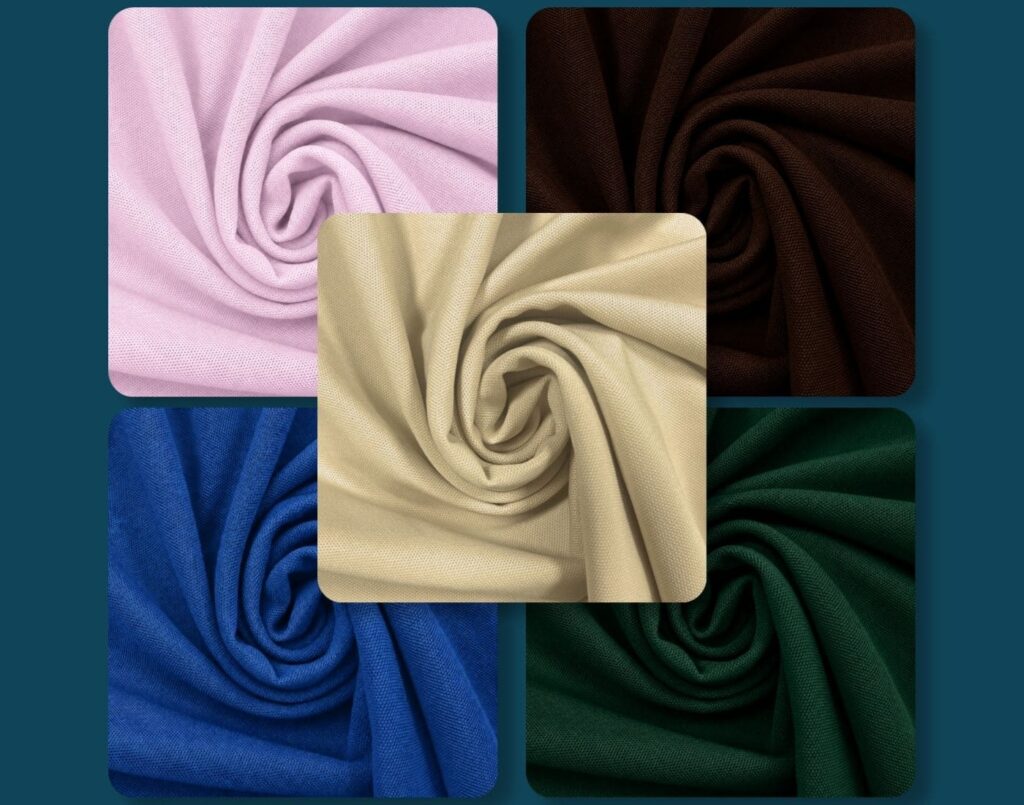
When businesses start designing uniforms, they often begin by asking technical questions.
What fabric weight should we use?
Should it be cotton or polyester?
Is 180gsm better than 220gsm?
Those details matter.
But they’re rarely what people notice first.
Ask someone why they liked a particular uniform and you’ll almost never hear them mention the fabric specification.
They’ll say things like:
“The navy looked sharp.”
“I liked the green one.”
“The black felt more premium.”
People respond to colour long before they evaluate technical details.
That’s not because quality isn’t important.
It’s because colour creates an immediate emotional impression.
Think about some of the brands you recognise instantly. You don’t identify them by the thickness of the fabric. You recognise them by their colours.
Colour is one of the strongest visual assets a business has. It creates familiarity, helps customers spot your staff, and reinforces your brand every time someone sees your team.
Only after that first impression do the practical considerations start to matter.
That’s where fabric choice comes in.
A hospitality venue might prioritise lightweight, breathable polos for staff working long shifts.
A trades business may need something more durable that stands up to daily wear.
An office environment might favour a softer feel and a cleaner finish.
The right fabric should suit how the uniform will actually be used.
But it shouldn’t be the first decision you make.
The best uniforms balance appearance with practicality.
Choose colours that represent your brand and make your team instantly recognisable.
Then choose the fabric that supports the work they’ll be doing every day.
Customers may never ask whether your polos are 180gsm or 220gsm.
But they’ll absolutely notice whether your team looks professional, consistent and easy to recognise.
And in the end, that’s what uniforms are designed to do.