Changing the route without changing the goal
I don’t think I’ve changed the goal once since I started Source Direct.
I just keep changing the route.
Every week there’s a better idea. A better product. A better process. A better way of explaining something.
That doesn’t mean the original version failed. It means I’ve learned something since I built it.
And a lot of that learning comes from feedback. Feedback gives you somewhere to go.
When you’re building a business, people are going to have opinions.
Some are useful. Some aren’t. Some will make you rethink something immediately. Others you’ll hear, consider, and completely ignore.
That’s part of it.
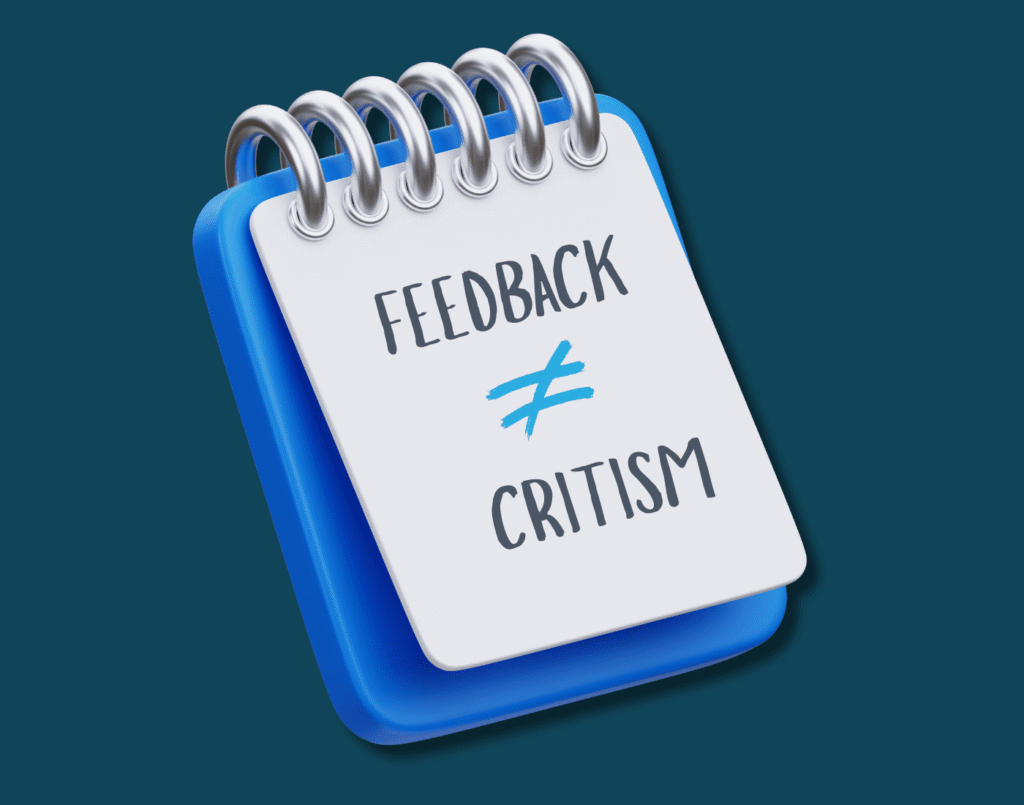
The important thing is being able to tell the difference between criticism and feedback.
Someone saying, “I don’t like this,” tells you very little.
Someone saying, “I couldn’t work out what I was supposed to do next,” gives you something to investigate.
The first is a judgement. The second is information.
That doesn’t mean criticism should always be dismissed. Sometimes criticism highlights a genuine problem. But if you can get past the judgement and find the useful information underneath it, you have something you can actually work with.
There’s a strange pressure when you’re building a business to get everything right from the beginning.
The perfect website. The perfect product range. The perfect pricing structure. The perfect process.
But you can’t really know what works until people start using it. You can make educated decisions. You can research your market. You can plan carefully.
Then someone actually interacts with what you’ve built and shows you something you hadn’t considered.
That’s not a failure of the original idea. It’s the point of putting the idea into the world.
Source Direct has changed a lot.
The goal was always to make quality branded apparel more accessible to small businesses. That hasn’t changed.
But almost everything around it has.
I’ve changed products, pricing, processes, website content and the way I explain what we do. I’ve changed things because customers asked questions I hadn’t anticipated. I’ve changed things because a supplier showed me a better option. I’ve changed things because I looked at something six months later and realised I could do it better.
Some changes have been tiny. Others have completely changed the way I approach something. But they’re all working towards the same thing: You don’t have to defend the original version.
I think this is one of the more useful lessons of building something yourself. You don’t need to defend a decision simply because it was your decision, and you don’t need to abandon an entire idea because one part of it isn’t working.
You can keep what works, change what doesn’t, and keep moving.
There’s a big difference between changing direction because you’ve lost sight of what you’re trying to achieve and changing direction because you’ve learned a better way to get there.
The first is drift. The second is progress. Keep the goal. Change the route.
Building a business means making decisions with incomplete information, then you get more information. The smart thing to do isn’t to pretend you knew everything from the beginning. It’s to use what you’ve learned.
Listen to the customer who couldn’t find what they needed. Pay attention to the question that keeps coming up. Notice where a process creates unnecessary friction. Take the good idea, even if it wasn’t yours.
Then change the thing that needs changing.
The goal doesn’t have to move every time you learn something new.
Sometimes you just need a better route to get there.